
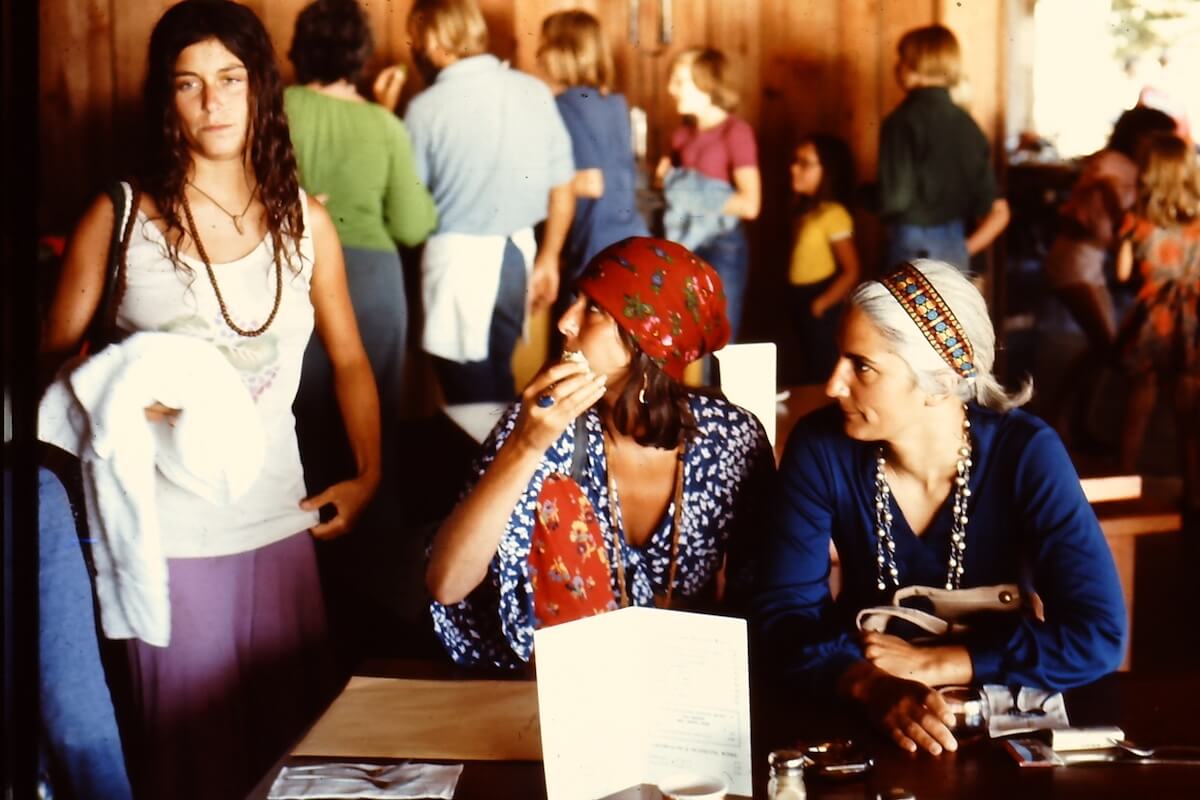
Esalen became known to the world through its men — Michael Murphy, Dick Price, and other iconic figures of the Human Potential Movement. Less mythologized are the women whose work shaped the Institute from within. Emerging from the constrictions of the 1950s, Esalen offered fertile ground for experimentation, risk, and reimagination. Within this charged landscape, women also articulated what human potential could feel like when lived through bodies, relationships, land, culture, and conscience.
Virginia Satir brought family systems therapy, radical empathy, and emotional truth-telling to Big Sur, helping establish love, presence, and authenticity as serious technologies of transformation. She believed that love was not a soft virtue but a disciplined practice — one that required courage, clarity, and presence.
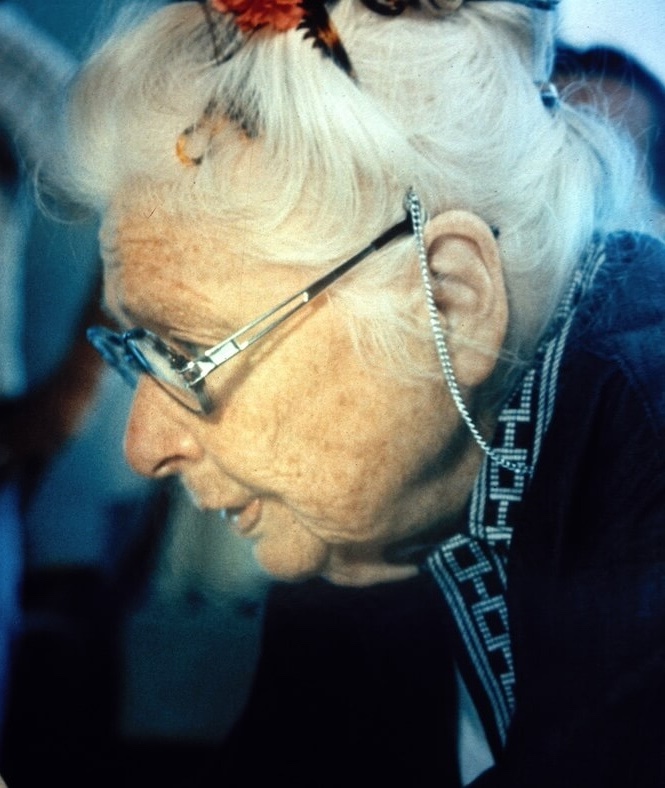
Alongside her, there were other women inventing Esalen’s somatic language. Charlotte Selver taught that attention itself could heal, that the body offered truth before interpretation. She introduced sensory awareness, presenting seekers with the reality that they could experience life through breath, weight, gravity, and sensation.
Ida Rolf taught that reorganizing the body could reorganize consciousness, laying the groundwork for Structural Integration (also known as Rolfing), a bodywork modality that offers a way to organize the physical body, as well as our relationship to the world. Beverly Silverman has since carried this work forward, practicing Rolfing for over five decades.
Brita Ostrom, Deborah Anne Medow, Vicki Topp, and Peggy Horan (also an Esalen on-campus midwife) were instrumental in shaping Esalen® Massage and a lineage of relational touch that is technical, psychological, and profoundly human.

Movement, music, and social conscience expanded the field, and Gabrielle Roth’s 5Rhythms brought ritualized motion and ecstatic embodiment. Folk singer Joan Baez infused Esalen with moral courage and cultural witness, reminding all that personal awakening and social responsibility are inseparable. Within Gestalt practice, Chris Price and Dorothy Charles emphasized presence, responsibility, and truth, while Andrea Juhan bridged body and psyche, articulating the body as a bearer of memory and meaning. Meanwhile, as staff began their own families, the Gazebo School was created by Janet Lederman, an innovator of early childhood outdoor education.

As Esalen matured, women carried its values into stewardship and the wider world. Mary Ellen Klee nurtured belonging, access, and citizen diplomacy. For more than three decades, Nancy Lunney-Wheeler shaped the Institute’s programming, creating conditions where discovery was possible and where individuals, communities, and even nations could meet across differences. Additionally, she created Singing Gestalt, which she is still practicing today.
Dulce Murphy extended Esalen’s reach beyond Big Sur through daring acts of imagination and relationship, helping open channels of dialogue between the United States and the Soviet Union when official diplomacy was frozen, demonstrating that human connection could precede political change.
Together, these women grew the ecology of Esalen — how its ideas were embodied, practiced, and carried forward. Their work was relational and often radical. It was grounded in practice, shaped by place, and developed through relationship. This lineage lives on in the land, in the work, and in each person who arrives willing to listen deeply, stay present, and step into the unknown.
Click below to view larger images. From top left to bottom right: Virginia Satir, JanetLederman, Dorothy Charles, Gabrielle Roth, Beverly Silverman,Brita Ostrom, Mary Ellen Klee, Dulce Murphy, Charlotte Selver,Deborah Medow, Nancy Lunney-Wheeler, Peggy Horan, AndreaJuhan, Joan Baez, Ida Rolf, Christine Price. Credit: Esalen Archives

Esalen Institute
55000 Highway 1
Big Sur, CA 93920

US: 1-831-667-3000

info@esalen.org