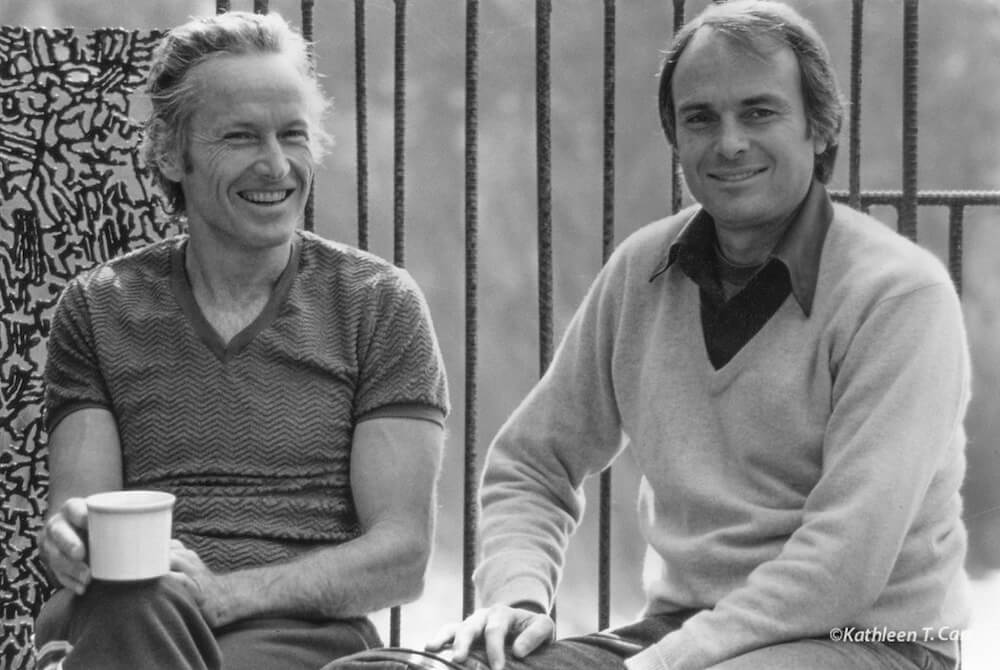
Long before Esalen became a hub for seekers, philosophers, mystics, and visionaries, it was the Murphy family’s coastal retreat. Michael Murphy, Esalen’s co-founder, grew up visiting this rugged stretch of Big Sur with his younger brother Dennis and their parents.
Long before Esalen became a hub for seekers, philosophers, mystics, and visionaries, it was the Murphy family’s coastal retreat. Michael Murphy, Esalen’s co-founder, grew up visiting this rugged stretch of Big Sur with his younger brother Dennis and their parents.
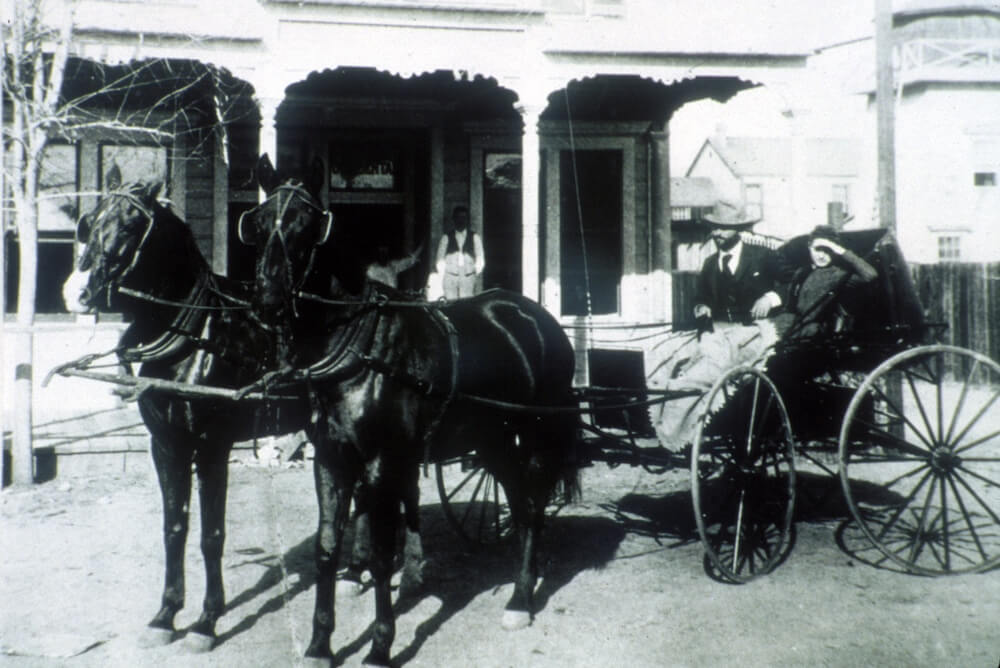

The land had been purchased in 1910 by their paternal grandfather, Dr. Henry Murphy, with dreams of opening a health spa. He opened the hot springs to the public after World War II, but his true legacy would lie dormant until his grandson reimagined the place as something more radical: a sanctuary for the evolution of human consciousness.
As a student at Stanford, Michael began reading Sri Aurobindo and other leaders on the frontiers of transformation.
In 1957, during a stay at Aurobindo’s ashram in India, he began to imagine a place where the boundaries between psychology, science, mysticism, and the arts could be explored without the constraints of metaphysical or scientific dogma.
Eventually, he and fellow Stanford graduate Richard Price joined forces to make that dream real, establishing what would become Esalen Institute.
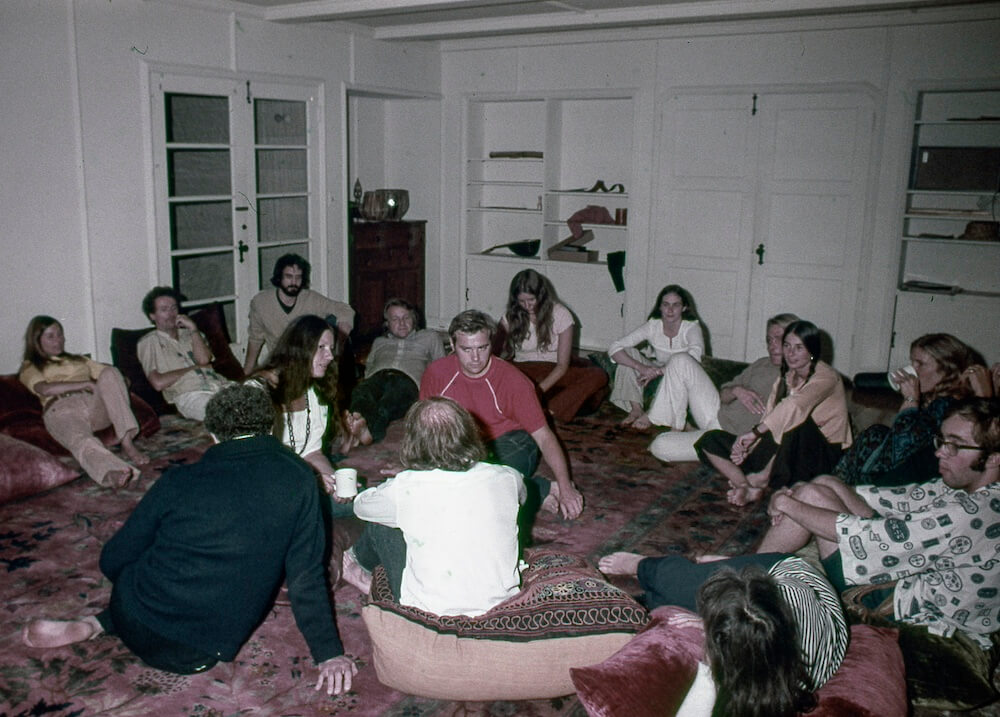
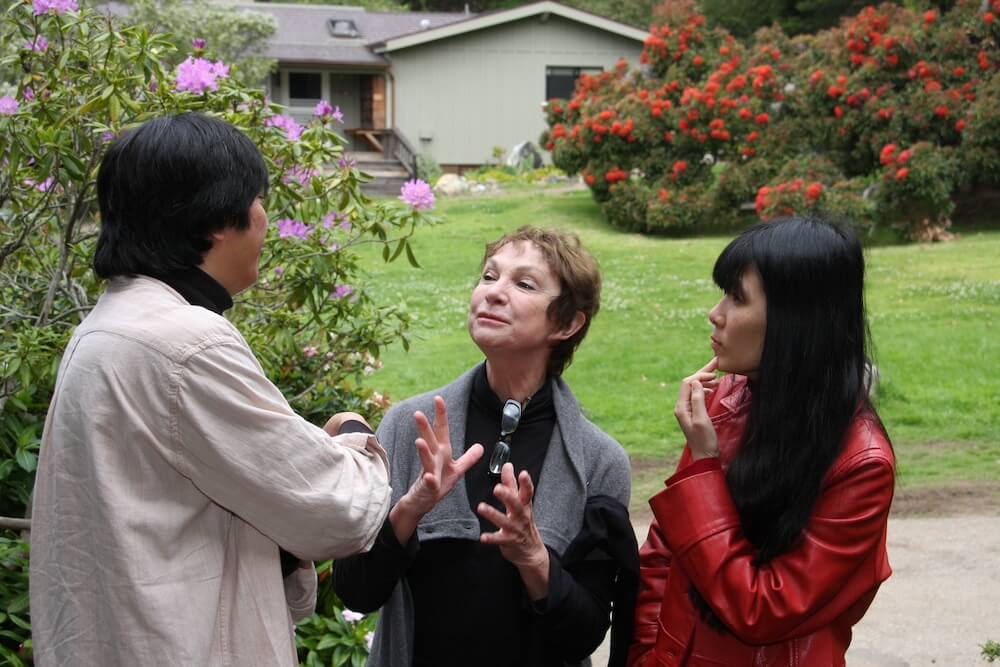
The Murphy House, originally known as the Big House, became the center for this experiment’s conversation.
While a wide variety of experiential activities unfolded on the south side of the property, the north side, anchored by the Murphy House, emerged as a place to promote theory and research.
Here, philosophers, scientists, mystics, and artists came together to ask questions such as: Can human nature survive bodily death? Can consciousness evolve?
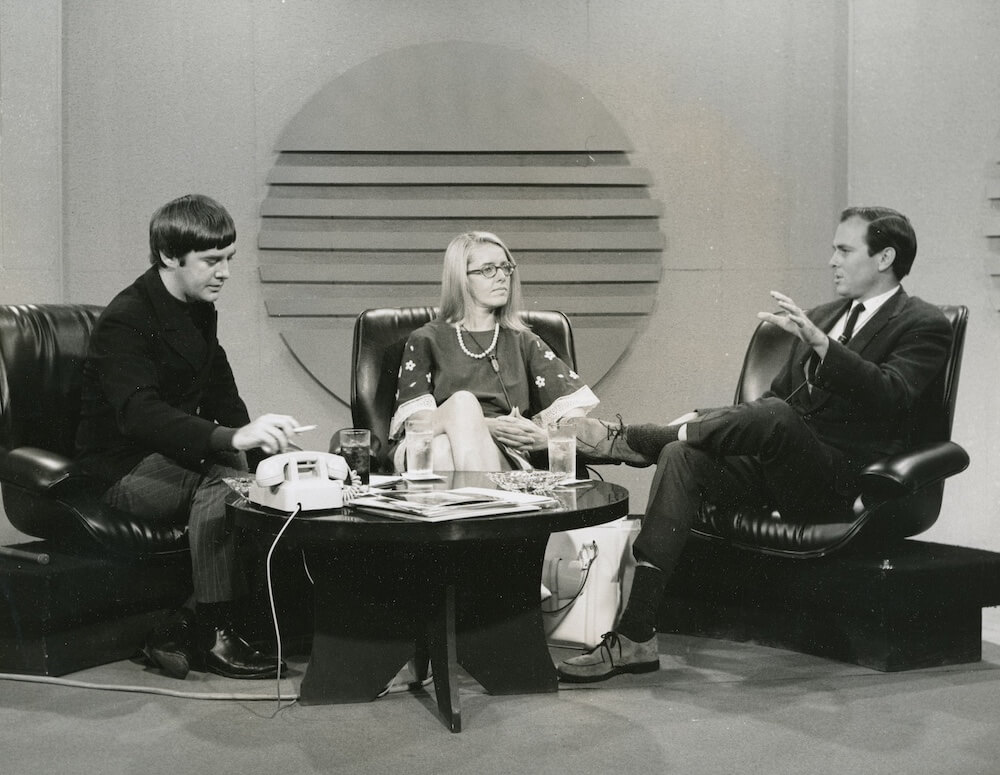
Many thought leaders have participated in the meetings held here.
In 1964, theologian Paul Tillich discussed the relationships between Eastern and Western spiritual philosophies.
The same year, Carlos Castaneda, then a student at UCLA, vividly described his meetings with Don Juan, and Gregory Bateson, the famed anthropologist, discussed “patterns that connect” the many aspects of inanimate, animal, and human evolution.
Abraham Maslow continued to develop his understanding of peak experience and self-actualization here.
From 1967 until 1973, physicists led history-making explorations of Bell’s Theorem and quantum entanglement in the Big House.
Beginning in 1972, psychiatrist Stan Grof opened new vistas on the further reaches of consciousness and its study with the help of psychedelics. For several years, Gordon Wheeler and Virginia Satir broadened psychotherapy’s reach to include social groups as well as individuals.
Russian thinkers shared their work with political psychology, transpersonal psychology, and altered states of consciousness. Philosopher Jay Ogilvy led a multi-year attempt to reconcile seemingly disparate metaphysical systems. Jeffrey Kripal worked on his comprehensive worldview embracing both normal and supernormal human evolution.
Such activities continue. To follow them, please read through our website, newsletter, and other publications.
Esalen Institute
55000 Highway 1
Big Sur, CA 93920

US: 1-831-667-3000

info@esalen.org