Visitors are now able to access Esalen as well as other businesses and trails in northern Big Sur via twice-daily convoys on Highway 1 operated by Caltrans.
Convoys run only at 7:00 a.m. and 5:00 p.m. each day. These are the only opportunities to travel into and out of Big Sur, so visitors must plan accordingly.


The Shame Triangle is an inner dynamic of parts that many of us carry without even realizing. It includes three primary roles: an Inner Critic that attacks, a Shame Part that absorbs the blow, and an Inner Escaper that tries to avoid pain while showing up in many forms: overfunctioning, perfectionism, and overachieving on one end, and dissociating, zoning out, using substances, or lashing out on the other. Together, these parts form a closed loop that keeps us stuck in survival strategies, disconnected from others and our deeper truth, and unable to fully access the Self.
Rooted in Internal Family Systems (IFS), narrative therapy, and the transformative power of Parts Work, this workshop guides participants to access Self-energy — the calm, clear presence within that can witness and transform our inner dynamics. We’ll explore how the Shame Triangle forms, how it functions internally, and how it is shaped by larger social, cultural, and intergenerational influences.
As the Shame Triangle softens, it gives rise to what we call the Inner Love Triangle, where the Inner Critic becomes an Inner Coach, Shame opens into Raw Experience, and the Escaper evolves into an Inner Nurturer — a dynamic grounded in support, truth, and clarity, where previously conflictual parts become powerful allies.
The workshop includes:
Discover a clear map of how shame operates within, where it originates — both personally and collectively — and how to transform this inner structure to support lasting change and self-leadership.
Note: Familiarity with Internal Family Systems, parts work, or somatic practices is helpful but not required. Participants at all levels can find meaningful entry points into this work. Those currently in crisis, in early trauma recovery, or without access to adequate support are encouraged to consider whether the timing is right for this work
Recommended reading: Transforming the Shame Triangle: From Shame to Love Using Parts Work by Jessica Fern & David Cooley
The Shame Triangle is an inner dynamic of parts that many of us carry without even realizing. It includes three primary roles: an Inner Critic that attacks, a Shame Part that absorbs the blow, and an Inner Escaper that tries to avoid pain while showing up in many forms: overfunctioning, perfectionism, and overachieving on one end, and dissociating, zoning out, using substances, or lashing out on the other. Together, these parts form a closed loop that keeps us stuck in survival strategies, disconnected from others and our deeper truth, and unable to fully access the Self.
Rooted in Internal Family Systems (IFS), narrative therapy, and the transformative power of Parts Work, this workshop guides participants to access Self-energy — the calm, clear presence within that can witness and transform our inner dynamics. We’ll explore how the Shame Triangle forms, how it functions internally, and how it is shaped by larger social, cultural, and intergenerational influences.
As the Shame Triangle softens, it gives rise to what we call the Inner Love Triangle, where the Inner Critic becomes an Inner Coach, Shame opens into Raw Experience, and the Escaper evolves into an Inner Nurturer — a dynamic grounded in support, truth, and clarity, where previously conflictual parts become powerful allies.
The workshop includes:
Discover a clear map of how shame operates within, where it originates — both personally and collectively — and how to transform this inner structure to support lasting change and self-leadership.
Note: Familiarity with Internal Family Systems, parts work, or somatic practices is helpful but not required. Participants at all levels can find meaningful entry points into this work. Those currently in crisis, in early trauma recovery, or without access to adequate support are encouraged to consider whether the timing is right for this work
Recommended reading: Transforming the Shame Triangle: From Shame to Love Using Parts Work by Jessica Fern & David Cooley


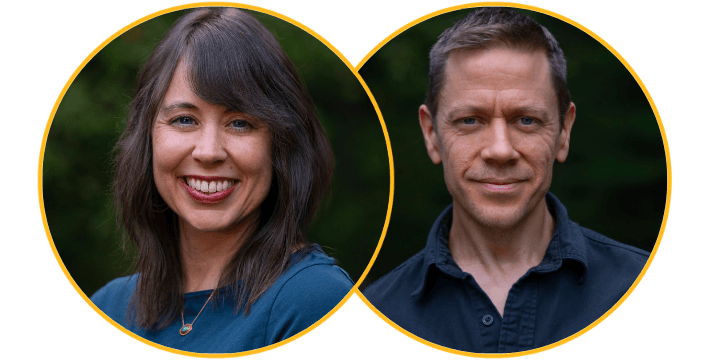
Jessica Fern is an integrative therapist, teacher, and internationally recognized author of Polysecure, Polywise, and Transforming the Shame Triangle. Drawing on 25 years of experience, she weaves IFS, somatic, narrative, and shamanic approaches to guide people from trauma toward self-leadership and transformation.


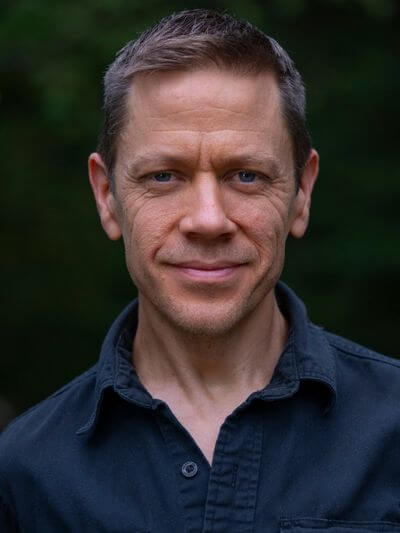
David Cooley is a professional restorative justice facilitator and the creator of the Restorative Relationship Conversations model, a process that transforms interpersonal conflict into deeper connection, intimacy, and repair.


Jessica Fern is an integrative therapist, teacher, and internationally recognized author of Polysecure, Polywise, and Transforming the Shame Triangle. Drawing on 25 years of experience, she weaves IFS, somatic, narrative, and shamanic approaches to guide people from trauma toward self-leadership and transformation.


David Cooley is a professional restorative justice facilitator and the creator of the Restorative Relationship Conversations model, a process that transforms interpersonal conflict into deeper connection, intimacy, and repair.

Jessica Fern is an integrative therapist, teacher, and internationally recognized author of Polysecure, Polywise, and Transforming the Shame Triangle. Drawing on 25 years of experience, she weaves IFS, somatic, narrative, and shamanic approaches to guide people from trauma toward self-leadership and transformation.

David Cooley is a professional restorative justice facilitator and the creator of the Restorative Relationship Conversations model, a process that transforms interpersonal conflict into deeper connection, intimacy, and repair.
Note: SGE seekers have access to open classes but not to preregistered workshops.
Grounded in Esalen's ethos of openness and exploration, our teachers are seasoned, credentialed facilitators who offer a unique blend of expertise and encouragement to our Self-Guided guests.
With a diverse array of backgrounds spanning psychology, mindfulness, somatics, creative arts, and holistic healing, they provide a supportive framework for personal exploration, guiding individuals through immersive experiences designed to cultivate introspection, creativity, and inner growth.
Participants are empowered to delve deep into their inner landscapes, fostering profound insights and shifts in consciousness.
Below are sample open class descriptions. Kindly note that actual offerings will vary from day to day and week to week. View a sample schedule.
Join Sam for a deep-dive into Esalen's archives to explore the transformative origins of the Esalen Institute and Human Potential. Discover the roots of a movement that forever changed the landscape of personal growth and self-discovery.
Meditate with the surging energy of the waves and let tension dissolve on the ocean breeze. Adorned with flowers and local healing herbs, this unique experience at the Esalen baths blends personal inquiry, herbal education, and sensory delight. Each ritual is an emergent collaboration of sound, sensation, intention, and floral offering to the sea. Come early, class size is very limited.
A spacious, slow-paced exploration of the body home using therapeutic yoga and other somatic modalities to make space for breath, alleviate tension, and access greater mobility and fluidity — in flesh and bones, and in life. Accessible to all levels.
A transformative breathwork journey rooted in rhythm, designed to reconnect you with the innate cycles of your body and the natural world. This dynamic practice weaves together accessible breathing patterns, sound, and movement to foster deep connection, release stress, and bring you back into balance. By harmonizing your breath with the pulse of life, Breathscapes helps you heal burnout, cultivate self-love, and gain clarity, offering a profound space for transformation and embodied presence. Whether you seek renewal or reprieve, Breathscapes is a powerful gateway to inner alignment and vitality.
Yoga Nidra is a guided meditation that brings you to a state of consciousness between waking and sleeping. This practice reprograms and repatterns your mind and body to prime your creativity to flow freely through you and onto your page.
Sink below the mind chatter and external layer to tap into your authentic voice and share who you truly are. Meditation, movement, and written reflections.
The Healing Circle is a space where you are invited to step out of ordinary time into a safe, accepting environment in which to explore, witnessing and sharing with an open heart. Experience breath and meditation, facilitated heart sharing, ritual, and group reiki.
An all-level Hatha-inspired physical practice paired with breathwork and mindfulness to rediscover your intuition and cultivate your mind-body connection.
So, you’ve finally arrived at Esalen — welcome home! Join us in exploring Esalen’s historic, culture-shifting origins, the vision for human potential, and our core values, as we embark on another 60 years of transformational education. Prepare to learn, grow, experiment, and evolve as we shepherd you on how best to integrate into this unique community and get the most out of your time on this sacred, ancient land.
MojaFlow is an experience to provoke and elevate you to discover new realms of energy and inspire you to experience the joy of going beyond barriers in your own practice and life. Class will include a somatic warm-up, breath-work, and strengthening exercises to support the body/mind connection.
In class we contemplate spiritual/philosophical teachings, slow down and move mindfully by co-ordinating breath with movement, sustain poses to deepen focus and awareness, practice breathing exercises and meditation to hone skillfulness in listening to the inner subtle experiences.
This is a conscious dance practice for people who love or are curious about movement. Here in the company of non-dancers and dancers, we get supple and strong, we explore expressions, we celebrate creativity, we expand empathy, we move and are moved.
Take a somatic dive into the depths of the self with an enlivening, vigorous moving meditation that borrows from a variety of modalities, incorporates ancestral movement, and culminates in seated stillness. Shake, sound, and dance your way to deepened connection with your miraculous body, and with the body of the world.
This interactive, process-based class explores the playful and generative intersections of art and artificial intelligence. Guided by the philosophy of the human potential movement, participants will become co-creators with AI, engaging in hands-on projects that transform their voices across languages, create music, and engage in philosophical conversations with AI, challenging their perceptions of art, creativity, and technology.
As a registered guest, you are welcome on campus any time after 2:00 pm on your arrival day. Room keys are available at 4:00 pm. On departure day, please remove belongings from your room by 10:00 am or before your final workshop session, then feel free to stay for lunch and enjoy the grounds until 2:00 pm.
All meals are served buffet-style in the Lodge.
Breakfast: 8:30 am – 9:45 am
Lunch: 12:30 pm – 1:45 pm
Dinner: 6:00 pm – 7:30 pm
Monday
5:00 pm – 5:45 pm *How to Drop into Esalen*
7:15 pm – 9:30 pm
Tuesday
9:30 am – 12:30 pm
4:00 pm – 6:15 pm
Wednesday
9:30 am – 12:30 pm
4:00 pm – 6:00 pm
Thursday
9:30 am – 12:30 pm
4:00 pm – 6:15 pm
Friday
9:30 am – 12:00 pm
Return to a more natural state of balance and facilitate healing for your body, mind, and spirit.
We offer a wide range of healing arts services for workshop guests, Self-Guided participants, and day pass visitors, including Esalen® Massage, craniosacral therapy, coaching and Gestalt sessions, astrology readings, private forest baths, herbal clearing rituals, and much more.
After reserving your stay at Esalen, we recommend booking your appointments at least three weeks in advance, as our sessions tend to sell out.
Explore Healing ArtsNote: not all room types may be available for this workshop. Once you begin the registration process, you will see current availability and make your selection.
Prices include workshop, additional tuition (if any), lodging, meals, open classes, and 24/hour use of campus amenities.


Please note: On Wednesday September 20, online registration may be unavailable for up to 15 minutes while system maintenance is performed. If the 'Register Now' page does not load, please wait about 15 minutes and try again.
The Shame Triangle is an inner dynamic of parts that many of us carry without even realizing. It includes three primary roles: an Inner Critic that attacks, a Shame Part that absorbs the blow, and an Inner Escaper that tries to avoid pain while showing up in many forms: overfunctioning, perfectionism, and overachieving on one end, and dissociating, zoning out, using substances, or lashing out on the other. Together, these parts form a closed loop that keeps us stuck in survival strategies, disconnected from others and our deeper truth, and unable to fully access the Self.
Rooted in Internal Family Systems (IFS), narrative therapy, and the transformative power of Parts Work, this workshop guides participants to access Self-energy — the calm, clear presence within that can witness and transform our inner dynamics. We’ll explore how the Shame Triangle forms, how it functions internally, and how it is shaped by larger social, cultural, and intergenerational influences.
As the Shame Triangle softens, it gives rise to what we call the Inner Love Triangle, where the Inner Critic becomes an Inner Coach, Shame opens into Raw Experience, and the Escaper evolves into an Inner Nurturer — a dynamic grounded in support, truth, and clarity, where previously conflictual parts become powerful allies.
The workshop includes:
Discover a clear map of how shame operates within, where it originates — both personally and collectively — and how to transform this inner structure to support lasting change and self-leadership.
Note: Familiarity with Internal Family Systems, parts work, or somatic practices is helpful but not required. Participants at all levels can find meaningful entry points into this work. Those currently in crisis, in early trauma recovery, or without access to adequate support are encouraged to consider whether the timing is right for this work
Recommended reading: Transforming the Shame Triangle: From Shame to Love Using Parts Work by Jessica Fern & David Cooley
Learn more about the requirements to receive continuing education credit.
Jessica Fern is an integrative therapist, teacher, and internationally recognized author of Polysecure, Polywise, and Transforming the Shame Triangle. Drawing on 25 years of experience, she weaves IFS, somatic, narrative, and shamanic approaches to guide people from trauma toward self-leadership and transformation.
Read More
David Cooley is a professional restorative justice facilitator and the creator of the Restorative Relationship Conversations model, a process that transforms interpersonal conflict into deeper connection, intimacy, and repair.
Read More
Need a scholarship? Apply here.
The Shame Triangle is an inner dynamic of parts that many of us carry without even realizing. It includes three primary roles: an Inner Critic that attacks, a Shame Part that absorbs the blow, and an Inner Escaper that tries to avoid pain while showing up in many forms: overfunctioning, perfectionism, and overachieving on one end, and dissociating, zoning out, using substances, or lashing out on the other. Together, these parts form a closed loop that keeps us stuck in survival strategies, disconnected from others and our deeper truth, and unable to fully access the Self.
Rooted in Internal Family Systems (IFS), narrative therapy, and the transformative power of Parts Work, this workshop guides participants to access Self-energy — the calm, clear presence within that can witness and transform our inner dynamics. We’ll explore how the Shame Triangle forms, how it functions internally, and how it is shaped by larger social, cultural, and intergenerational influences.
As the Shame Triangle softens, it gives rise to what we call the Inner Love Triangle, where the Inner Critic becomes an Inner Coach, Shame opens into Raw Experience, and the Escaper evolves into an Inner Nurturer — a dynamic grounded in support, truth, and clarity, where previously conflictual parts become powerful allies.
The workshop includes:
Discover a clear map of how shame operates within, where it originates — both personally and collectively — and how to transform this inner structure to support lasting change and self-leadership.
Note: Familiarity with Internal Family Systems, parts work, or somatic practices is helpful but not required. Participants at all levels can find meaningful entry points into this work. Those currently in crisis, in early trauma recovery, or without access to adequate support are encouraged to consider whether the timing is right for this work
Recommended reading: Transforming the Shame Triangle: From Shame to Love Using Parts Work by Jessica Fern & David Cooley
Learn more about the requirements to receive continuing education credit.
Jessica Fern is an integrative therapist, teacher, and internationally recognized author of Polysecure, Polywise, and Transforming the Shame Triangle. Drawing on 25 years of experience, she weaves IFS, somatic, narrative, and shamanic approaches to guide people from trauma toward self-leadership and transformation.
David Cooley is a professional restorative justice facilitator and the creator of the Restorative Relationship Conversations model, a process that transforms interpersonal conflict into deeper connection, intimacy, and repair.
The Shame Triangle is an inner dynamic of parts that many of us carry without even realizing. It includes three primary roles: an Inner Critic that attacks, a Shame Part that absorbs the blow, and an Inner Escaper that tries to avoid pain while showing up in many forms: overfunctioning, perfectionism, and overachieving on one end, and dissociating, zoning out, using substances, or lashing out on the other. Together, these parts form a closed loop that keeps us stuck in survival strategies, disconnected from others and our deeper truth, and unable to fully access the Self.
Rooted in Internal Family Systems (IFS), narrative therapy, and the transformative power of Parts Work, this workshop guides participants to access Self-energy — the calm, clear presence within that can witness and transform our inner dynamics. We’ll explore how the Shame Triangle forms, how it functions internally, and how it is shaped by larger social, cultural, and intergenerational influences.
As the Shame Triangle softens, it gives rise to what we call the Inner Love Triangle, where the Inner Critic becomes an Inner Coach, Shame opens into Raw Experience, and the Escaper evolves into an Inner Nurturer — a dynamic grounded in support, truth, and clarity, where previously conflictual parts become powerful allies.
The workshop includes:
Discover a clear map of how shame operates within, where it originates — both personally and collectively — and how to transform this inner structure to support lasting change and self-leadership.
Note: Familiarity with Internal Family Systems, parts work, or somatic practices is helpful but not required. Participants at all levels can find meaningful entry points into this work. Those currently in crisis, in early trauma recovery, or without access to adequate support are encouraged to consider whether the timing is right for this work
Recommended reading: Transforming the Shame Triangle: From Shame to Love Using Parts Work by Jessica Fern & David Cooley

October 12–16, 2026
This program is full. Find another.
Applications are closed.
The Shame Triangle is an inner dynamic of parts that many of us carry without even realizing. It includes three primary roles: an Inner Critic that attacks, a Shame Part that absorbs the blow, and an Inner Escaper that tries to avoid pain while showing up in many forms: overfunctioning, perfectionism, and overachieving on one end, and dissociating, zoning out, using substances, or lashing out on the other. Together, these parts form a closed loop that keeps us stuck in survival strategies, disconnected from others and our deeper truth, and unable to fully access the Self.
Rooted in Internal Family Systems (IFS), narrative therapy, and the transformative power of Parts Work, this workshop guides participants to access Self-energy — the calm, clear presence within that can witness and transform our inner dynamics. We’ll explore how the Shame Triangle forms, how it functions internally, and how it is shaped by larger social, cultural, and intergenerational influences.
As the Shame Triangle softens, it gives rise to what we call the Inner Love Triangle, where the Inner Critic becomes an Inner Coach, Shame opens into Raw Experience, and the Escaper evolves into an Inner Nurturer — a dynamic grounded in support, truth, and clarity, where previously conflictual parts become powerful allies.
The workshop includes:
Discover a clear map of how shame operates within, where it originates — both personally and collectively — and how to transform this inner structure to support lasting change and self-leadership.
Note: Familiarity with Internal Family Systems, parts work, or somatic practices is helpful but not required. Participants at all levels can find meaningful entry points into this work. Those currently in crisis, in early trauma recovery, or without access to adequate support are encouraged to consider whether the timing is right for this work
Recommended reading: Transforming the Shame Triangle: From Shame to Love Using Parts Work by Jessica Fern & David Cooley

Learn more about the requirements to receive continuing education credit.
Jessica Fern is an integrative therapist, teacher, and internationally recognized author of Polysecure, Polywise, and Transforming the Shame Triangle. Drawing on 25 years of experience, she weaves IFS, somatic, narrative, and shamanic approaches to guide people from trauma toward self-leadership and transformation.
David Cooley is a professional restorative justice facilitator and the creator of the Restorative Relationship Conversations model, a process that transforms interpersonal conflict into deeper connection, intimacy, and repair.
Please note: On Wednesday September 20, online registration may be unavailable for up to 15 minutes while system maintenance is performed. If the 'Register Now' page does not load, please wait about 15 minutes and try again.
The rich text element allows you to create and format headings, paragraphs, blockquotes, images, and video all in one place instead of having to add and format them individually. Just double-click and easily create content.
The rich text element allows you to create and format headings, paragraphs, blockquotes, images, and video all in one place instead of having to add and format them individually. Just double-click and easily create content.A rich text element can be used with static or dynamic content. For static content, just drop it into any page and begin editing. For dynamic content, add a rich text field to any collection and then connect a rich text element to that field in the settings panel. Voila!
A rich text element can be used with static or dynamic content. For static content, just drop it into any page and begin editing. For dynamic content, add a rich text field to any collection and then connect a rich text element to that field in the settings panel. Voila!Headings, paragraphs, blockquotes, figures, images, and figure captions can all be styled after a class is added to the rich text element using the "When inside of" nested selector system.
Headings, paragraphs, blockquotes, figures, images, and figure captions can all be styled after a class is added to the rich text element using the "When inside of" nested selector system.Lorem ipsum dolor sit amet, consectetur adipiscing elit. Suspendisse varius enim in eros elementum tristique. Duis cursus, mi quis viverra ornare, eros dolor interdum nulla, ut commodo diam libero vitae erat. Aenean faucibus nibh et justo cursus id rutrum lorem imperdiet. Nunc ut sem vitae risus tristique posuere.
Learn more about the requirements to receive continuing education credit.
The rich text element allows you to create and format headings, paragraphs, blockquotes, images, and video all in one place instead of having to add and format them individually. Just double-click and easily create content.
The rich text element allows you to create and format headings, paragraphs, blockquotes, images, and video all in one place instead of having to add and format them individually. Just double-click and easily create content.A rich text element can be used with static or dynamic content. For static content, just drop it into any page and begin editing. For dynamic content, add a rich text field to any collection and then connect a rich text element to that field in the settings panel. Voila!
A rich text element can be used with static or dynamic content. For static content, just drop it into any page and begin editing. For dynamic content, add a rich text field to any collection and then connect a rich text element to that field in the settings panel. Voila!Headings, paragraphs, blockquotes, figures, images, and figure captions can all be styled after a class is added to the rich text element using the "When inside of" nested selector system.
Headings, paragraphs, blockquotes, figures, images, and figure captions can all be styled after a class is added to the rich text element using the "When inside of" nested selector system.Learn more about the requirements to receive continuing education credit.

October 12–16, 2026
This program is full. Find another.
Applications are closed.
The Shame Triangle is an inner dynamic of parts that many of us carry without even realizing. It includes three primary roles: an Inner Critic that attacks, a Shame Part that absorbs the blow, and an Inner Escaper that tries to avoid pain while showing up in many forms: overfunctioning, perfectionism, and overachieving on one end, and dissociating, zoning out, using substances, or lashing out on the other. Together, these parts form a closed loop that keeps us stuck in survival strategies, disconnected from others and our deeper truth, and unable to fully access the Self.
Rooted in Internal Family Systems (IFS), narrative therapy, and the transformative power of Parts Work, this workshop guides participants to access Self-energy — the calm, clear presence within that can witness and transform our inner dynamics. We’ll explore how the Shame Triangle forms, how it functions internally, and how it is shaped by larger social, cultural, and intergenerational influences.
As the Shame Triangle softens, it gives rise to what we call the Inner Love Triangle, where the Inner Critic becomes an Inner Coach, Shame opens into Raw Experience, and the Escaper evolves into an Inner Nurturer — a dynamic grounded in support, truth, and clarity, where previously conflictual parts become powerful allies.
The workshop includes:
Discover a clear map of how shame operates within, where it originates — both personally and collectively — and how to transform this inner structure to support lasting change and self-leadership.
Note: Familiarity with Internal Family Systems, parts work, or somatic practices is helpful but not required. Participants at all levels can find meaningful entry points into this work. Those currently in crisis, in early trauma recovery, or without access to adequate support are encouraged to consider whether the timing is right for this work
Recommended reading: Transforming the Shame Triangle: From Shame to Love Using Parts Work by Jessica Fern & David Cooley

Learn more about the requirements to receive continuing education credit.
Jessica Fern is an integrative therapist, teacher, and internationally recognized author of Polysecure, Polywise, and Transforming the Shame Triangle. Drawing on 25 years of experience, she weaves IFS, somatic, narrative, and shamanic approaches to guide people from trauma toward self-leadership and transformation.
David Cooley is a professional restorative justice facilitator and the creator of the Restorative Relationship Conversations model, a process that transforms interpersonal conflict into deeper connection, intimacy, and repair.

The rich text element allows you to create and format headings, paragraphs, blockquotes, images, and video all in one place instead of having to add and format them individually. Just double-click and easily create content.
The rich text element allows you to create and format headings, paragraphs, blockquotes, images, and video all in one place instead of having to add and format them individually. Just double-click and easily create content.A rich text element can be used with static or dynamic content. For static content, just drop it into any page and begin editing. For dynamic content, add a rich text field to any collection and then connect a rich text element to that field in the settings panel. Voila!
A rich text element can be used with static or dynamic content. For static content, just drop it into any page and begin editing. For dynamic content, add a rich text field to any collection and then connect a rich text element to that field in the settings panel. Voila!Headings, paragraphs, blockquotes, figures, images, and figure captions can all be styled after a class is added to the rich text element using the "When inside of" nested selector system.
Headings, paragraphs, blockquotes, figures, images, and figure captions can all be styled after a class is added to the rich text element using the "When inside of" nested selector system.The rich text element allows you to create and format headings, paragraphs, blockquotes, images, and video all in one place instead of having to add and format them individually. Just double-click and easily create content.
The rich text element allows you to create and format headings, paragraphs, blockquotes, images, and video all in one place instead of having to add and format them individually. Just double-click and easily create content.A rich text element can be used with static or dynamic content. For static content, just drop it into any page and begin editing. For dynamic content, add a rich text field to any collection and then connect a rich text element to that field in the settings panel. Voila!
A rich text element can be used with static or dynamic content. For static content, just drop it into any page and begin editing. For dynamic content, add a rich text field to any collection and then connect a rich text element to that field in the settings panel. Voila!Headings, paragraphs, blockquotes, figures, images, and figure captions can all be styled after a class is added to the rich text element using the "When inside of" nested selector system.
Headings, paragraphs, blockquotes, figures, images, and figure captions can all be styled after a class is added to the rich text element using the "When inside of" nested selector system.